

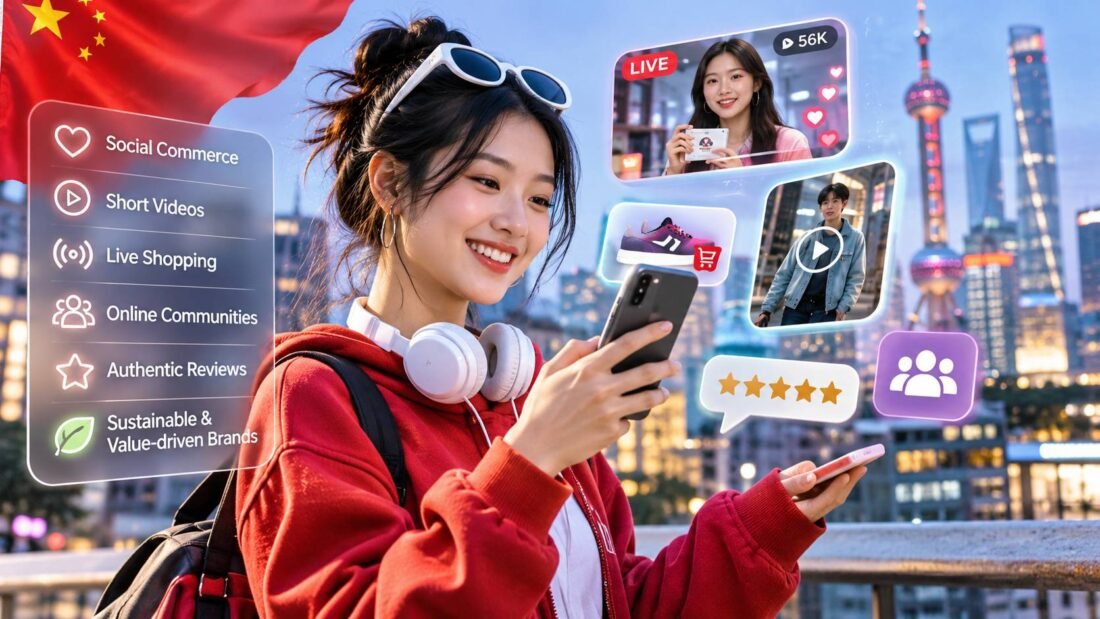
Ask a 22-year-old in Chengdu why she bought a particular lipstick and you probably won’t hear about the formula. You’ll hear about the Xiaohongshu post that made her laugh, the packaging inspired by a Song dynasty painting, or the fact that her friends were all hunting for the same limited shade. The product matters. It just isn’t the whole story.
That gap between “what’s in the box” and “why I bought it” is where most of the work in branding for Gen Z consumers happens, and nowhere is it wider than in China. If you’re a U.S. brand eyeing that market, or simply trying to understand where youth culture is headed, this generation deserves a closer look.
Who Exactly Are We Talking About?
Chinese Gen Z covers roughly those born from the mid-1990s to around 2010. It’s a big group. Industry estimates put it at more than 260 million people, and China’s internet regulator, CNNIC, counts about 261 million of them as active digital consumers, making up over a quarter of the country’s entire digital consumption base.
These young people grew up during a stretch of fast economic growth, with smartphones in hand and super-apps like WeChat handling everything from chatting to paying rent. They didn’t adopt digital life. They were born into it. That shapes how they find brands, judge them, and decide whether to stick around.
Pride Before Prestige: The Guochao Effect
For a long time, a foreign label in China carried built-in status. Not so much anymore. The term guochao, which roughly translates to “national trend,” describes young shoppers choosing brands that carry Chinese cultural identity, design or ownership, and it has changed the rules for everyone.
Sportswear tells the story well. Anta and Li Ning climbed to the top of their categories, while down-jacket maker Bosideng and cosmetics brand Perfect Diary did the same in theirs. Older Chinese brands that once felt dusty got a second life by leaning into heritage with a modern twist.
The trend hasn’t faded. A Xinhua report from this spring noted that Gen Z is now pushing manufacturers toward identity-led design, with one Beijing academic pointing out that young buyers want spending to carry emotional weight and cultural meaning, not just function.
Here’s what that means for Western companies: being “imported” isn’t a selling point on its own. Quality, price and relevance have to do the heavy lifting. Some foreign brands get it right with China-specific collaborations, but those only work when they feel respectful rather than like a quick lunar new year sticker slapped on a sneaker. Chinese Gen Z can spot the difference in about three seconds.
Social Feeds Are the New Storefront
If you want to understand how Gen Z consumers in China discover products, forget the traditional funnel. Discovery, research and purchase often happen on the same screen, sometimes within the same five minutes.
A few platforms do most of the work:
- Xiaohongshu (RedNote): part Pinterest, part Instagram, part product-review forum. Young people search it the way Americans search Google, especially for beauty, fashion, food and travel.
- Douyin: China’s version of TikTok, with livestream shopping baked right in. Entertainment and sales blur together.
- Bilibili: a video community loved for anime, gaming and niche hobbies, where long-form content and inside jokes carry real influence.
- WeChat: less about discovery, more about keeping people close through mini-programs, private groups and customer service.
One finding from McKinsey’s survey of Chinese consumers stands out: 51% of Gen Z respondents ranked brands’ official social accounts among their top three sources of influence, ahead of the 44% who said the same about bloggers and influencers. In other words, brands that show up in person, with a real voice and a sense of humor, get listened to. Faceless corporate accounts don’t.
They Buy Feelings, Not Just Features
This is the part American marketers often underestimate. Chinese Gen Z spends heavily on what’s sometimes called “emotional consumption.” Think blind-box collectibles from Pop Mart, plush toys clipped to backpacks, or a pricey coffee because the cup design is cute and it makes a lousy Tuesday a little better.
Accenture’s recent research on Chinese consumers found that young people are trying new brands more often than their peers a few years ago, and many treat novelty as a way to recharge. Life is stressful. The job market is tough. A small, joyful purchase feels like a reward you can actually control.
Even big shopping events have shifted meaning. China Daily described Singles’ Day (Double 11) as something Gen Z now treats as a social ritual, mixing shopping with identity and lifestyle rather than just chasing discounts.
So if your brand pitch is all spec sheets and price comparisons, you’re speaking the wrong language. The question these shoppers ask isn’t “is this the best?” It’s closer to “does this feel like me?”
Personal, Playful, and Built Together
Chinese Gen Z doesn’t want to be marketed at. They want to be part of something. McKinsey found that 51% prefer brands offering customized products, and 53% lean toward brands that provide tailored services.
The brands that win tend to share a few habits:
- They co-create. They invite fans to vote on flavors, suggest designs or remix content. When people help build something, they defend it.
- They play along with internet culture. Memes move fast in China. Brands that can laugh at themselves, and respond within hours instead of weeks, earn goodwill that ads can’t buy.
- They create scarcity with a story. Limited drops and unexpected crossovers (remember when Luckin Coffee teamed up with liquor maker Moutai on a boozy latte?) give people something to talk about and share.
- They respect the niche. Hanfu fans, anime collectors, outdoor hikers, pet parents. Gen Z organizes itself into tight communities, and brands that show genuine knowledge of a subculture get welcomed in.
Trust Is Earned in Public
Here’s the flip side of all that enthusiasm: Chinese Gen Z can turn on a brand fast. A tone-deaf ad, a perceived cultural slight or a misleading claim can blow up on social media within a day. Several international fashion houses have learned this the hard way over the years.
These shoppers read reviews obsessively, compare prices across platforms and swap notes in group chats. Being transparent about ingredients, pricing and sourcing isn’t a “nice to have.” It’s the cost of entry. And when something goes wrong, a quick, sincere response beats a polished statement drafted by a committee two weeks later.
What American Brands Can Take From This
Even if you never sell a single product in Shanghai, there are lessons here for Gen Z brands everywhere. U.S. Gen Z shares a lot of these instincts: skepticism toward ads, love of community, and a soft spot for small purchases that bring comfort. China just tends to show where these behaviors land a little earlier, because its digital ecosystem moves faster and combines entertainment with shopping more tightly.
A practical checklist:
- Give your brand a recognizable personality on social media, not just a logo and a product feed.
- Design for sharing. Packaging, in-store moments and limited editions should look good in a post.
- Honor local culture with care. Do your homework, hire local creatives and listen before launching.
- Treat community as an ongoing commitment, not a one-off campaign.
- Be honest. Young buyers will fact-check you anyway.
Final Thoughts
Chinese Gen Z isn’t loyal to logos. They’re loyal to brands that understand them, entertain them and reflect who they want to be. That’s a higher bar than the one older generations set, but it’s also a clearer one. Show up with personality, respect the culture, give people a reason to feel something, and keep your promises. Get those right and branding for Gen Z consumers stops feeling like guesswork.
Published by BrandingX.
Frequently Asked Questions
What does branding for Gen Z consumers in China look like?
It leans on social media, cultural relevance and emotional connection. Successful brands show a real personality online, work with creators on platforms like Xiaohongshu and Douyin, and design products and packaging that young people want to share.
Why do Chinese Gen Z shoppers prefer domestic brands?
Mostly because of guochao, the "national trend." Domestic brands have improved quality and design, and many young people enjoy products that reflect Chinese heritage and modern national pride. Foreign brands are still bought, but they no longer win on origin alone.
Which social media platforms matter most for reaching Chinese Gen Z?
Xiaohongshu (RedNote) for discovery and reviews, Douyin for short video and livestream shopping, Bilibili for community and niche interests, and WeChat for long-term relationships and customer service.
Are Chinese Gen Z consumers loyal to brands?
They can be, but loyalty has to be earned and kept. They'll follow brands that engage with them directly and treat them well, and they'll drop brands quickly after a misstep or a cultural blunder.
What is emotional consumption?
It's spending driven by feelings rather than need, such as collectible toys, cute accessories or treats that offer comfort and self-expression. For many young Chinese shoppers, these small purchases help manage stress and show personal identity.
Can U.S. brands use these lessons at home?
Yes. American Gen Z shares many of the same habits, including distrust of hard-sell ads, love of community and interest in shareable, personal products. Studying Chinese Gen Z gives U.S. marketers an early look at where youth shopping trends may be heading.